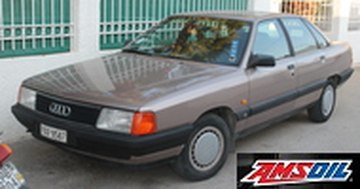
Lubrication Maintenance for the 1982 Audi 5000 2.2L
Maintaining the engine lubrication system in a 1982 Audi 5000 with the 2.2L engine requires consistent attention to fluid condition and component integrity. As vehicles age, the way they manage heat and internal friction becomes increasingly dependent on the quality of the lubricants used and the diligence of the owner in monitoring for changes.
Monitoring Fluid Integrity and Condition
Regularly checking the engine oil is a fundamental aspect of ownership. Beyond simply verifying that the level is sufficient, observing the physical characteristics of the lubricant can provide useful information about the engine's current state. When performing an inspection, look for any significant changes in the color or texture of the oil.
If the oil appears excessively dark or contains visible particulate matter, it may indicate that the lubricant has reached the end of its effective service life or that internal components are shedding material. Furthermore, if you notice a milky or cloudy appearance in the oil, this can be associated with coolant entering the lubrication system, which warrants immediate investigation to identify the source of the contamination.
An unusual odor coming from the engine area during operation may also be a sign that oil is contacting hot external surfaces. While such an occurrence does not always point to a single specific failure, it is a symptom that should be investigated to prevent potential damage or fire hazards.
Observing Potential Warning Signs
Effective maintenance involves recognizing subtle changes in how the vehicle operates. For the 1982 Audi 5000, owners should remain alert to several indicators that may suggest the lubrication system requires attention:
- Visible Seepage: Inspecting the area around the engine for signs of fluid leakage is essential. Any evidence of wetness or residue on the engine block or surrounding components can indicate that a seal or gasket is no longer providing an effective barrier.
- Changes in Consumption: If you find yourself needing to add oil more frequently than in the past, this change in consumption pattern should be noted and investigated.
- Warning Indicators: Any illumination of oil-related warning lights on the dashboard requires immediate attention. These indicators are critical signals that the system is not operating within its intended parameters.
- Mechanical Noise: Changes in the sound of the engine, such as new or increased tapping or knocking noises, can sometimes be associated with lubrication issues. Such sounds should never be ignored and may indicate a need for professional diagnostic services.
It is important to remember that these symptoms can have multiple causes. A single observation, such as an oil odor or a small leak, does not automatically confirm a specific component failure, but it serves as a prompt for more thorough inspection.
Prioritizing Long-Term Engine Care
As the 1982 Audi 5000 ages, maintenance priorities often shift from purely preventive measures to condition-based monitoring. Rather than following a rigid schedule based solely on the age of the vehicle, an owner can achieve better results by focusing on the actual state of the mechanical components.
One effective strategy is to establish a maintenance baseline. If you do not have access to the complete service history of the vehicle, performing a comprehensive inspection of all fluids, belts (if equipped), and hoses can help you understand the current condition of the engine. Once this baseline is established, you can more easily identify when a component has deviated from its normal state.
Reviewing any available repair records is also highly beneficial. Knowing when certain seals were last replaced or when the oil was last changed allows for more informed decision-making regarding future service. When managing an older vehicle, it is often more practical to address active leaks or visible signs of wear first, rather than replacing parts that are still functioning correctly.
Inspecting Aging Components and Seals
Over time, the materials used in gaskets and seals can undergo changes due to heat cycles and age. For a 1982 Audi 5000, it is prudent to perform routine visual inspections of accessible sealing surfaces. Look for signs of seepage or "wet" areas that might suggest a seal is beginning to lose its effectiveness.
In addition to seals, other components should be monitored during routine service:
- Drive Belts: If the engine is equipped with accessible drive belts, inspect them for signs of cracking, glazing, or fraying. Deteriorated belts can lead to issues with various engine accessories if they fail.
- Hoses: Inspect any visible hoses for signs of brittleness, swelling, or leaks. Maintaining the integrity of these components is vital for overall engine health.
- Electrical Connections: Ensure that wiring and electrical connectors related to engine sensors remain secure and free from corrosion, as clean signals are necessary for proper engine management.
By combining these visual checks with regular fluid monitoring, you can move toward a proactive maintenance approach that addresses potential issues before they escalate into more significant mechanical problems.
Effective Record Keeping for Ownership
Maintaining a detailed log of all service performed on the 1982 Audi 5000 is one of the most valuable tools an owner possesses. A well-kept record should include the dates of service, the mileage at the time of service, and specific details regarding the products used—such as the type of oil and the part numbers for filters.
Keeping track of fluid consumption is also helpful. If you record how much oil is added between changes, you can create a clear picture of the engine's consumption rate over time. This data makes it much easier to identify when a change in behavior occurs, allowing for earlier detection of potential issues. Consistent documentation provides clarity and helps prevent the duplication of unnecessary services while ensuring that critical maintenance tasks are never overlooked.
Buying Engine Oil for your 1982 Audi 5000 2.2L
When it is time to replenish or change the lubricant in your 1982 Audi 5000 2.2L, the most important step is to ensure the product matches the specific requirements of your engine. Because different engines have unique needs regarding chemical composition and flow characteristics, you should not rely on general automotive knowledge or assumptions based on the vehicle's age.
Match the engine oil to the application-specific viscosity information shown above on this page. Before finalizing your purchase, carefully check the product labeling to verify that the oil meets the necessary standards for your specific application. If you are looking for specialized formulations, such as high-mileage oils, be aware that some of these contain additives intended for use in aging engines, including seal-conditioning additives.
Always prioritize the information provided in the vehicle's technical specifications on this webpage to ensure you are using a lubricant that is appropriate for your 1982 Audi 5000 2.2L engine.